

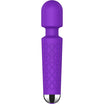
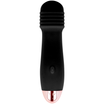
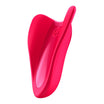











































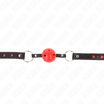
Latex sex toy allergy: playing without risking your skin
Approximately 1 to 6% of the general population has a latex sensitivity—and in the world of pleasure, this figure is worth paying attention to. Some cheap toys contain natural latex, plasticized PVC, or phthalates that can cause skin reactions, intimate irritation, or even swelling. Nothing dramatic if you know about it in advance, but frankly unpleasant to discover in the heat of the moment. The good news? Learning which materials to avoid takes five minutes—and choosing a toy that’s kind to your skin takes even less time. Your body deserves as much attention as your partner: listen to it; it’s rarely wrong.
Why choosing the right sextoy material makes all the difference
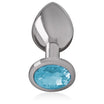
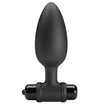
A toy made of medical-grade silicone, borosilicate glass, or stainless steel contains no latex, no toxic plasticizers, and almost never causes an allergic reaction. It’s a simple fact that transforms the experience: no more discomfort, no more redness the next day, just pure pleasure. For couples, it’s also a matter of shared trust—knowing what you're using prevents unpleasant surprises and makes intimacy more relaxed. And when shopping, spotting the mention of "medical-grade silicone," "phthalate-free ABS," or "borosilicate glass" in the product description becomes a quick reflex that makes all the difference in the long run.
Sextoys designed for sensitive skin really do exist
At quedulove.store, you will find a selection of toys designed for reactive skin and those mindful of their intimate health. Medical-grade silicone vibrators, surgical steel plugs, or even tempered glass dildos are naturally free of latex and irritating compounds. The product descriptions clearly indicate their composition—because we believe you have the right to know exactly what you are putting against your skin. If you want to explore without stress, toys made of non-porous materials are exactly what you need.
Frequently asked questions
How do I know if my sextoy contains latex?
Check the product description or packaging: the terms "silicone," "ABS," "borosilicate glass," or "stainless steel" mean zero latex. Conversely, terms like "rubber," "jelly," or the total absence of any material indication are red flags. If in doubt, contact the site's customer service—a good shop will give you a clear answer.
What symptoms can an allergenic sextoy cause?
The most common reactions are redness, itching, or localized swelling in the minutes or hours following use. Sometimes it’s just mild irritation that we attribute to something else. If symptoms recur every time you use the same toy, the material is often the culprit—switching materials usually solves the problem.
Can a "latex-free" toy still sting?
Yes, and that’s the surprise nobody warned you about. Certain lubricants, scented coatings, or dyes can also cause irritation, even on a toy that is technically latex-free. The trick: combine a non-porous silicone toy with a fragrance-free water-based lubricant—it’s the gentlest combo available for sensitive skin.