

















































































































Latex-free condom
Filters
12 products
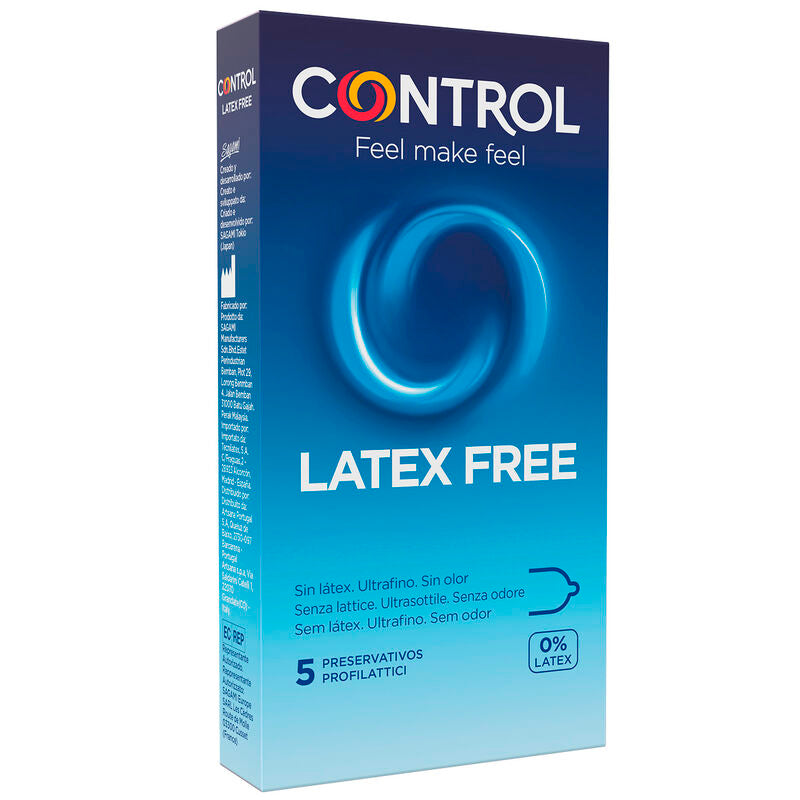
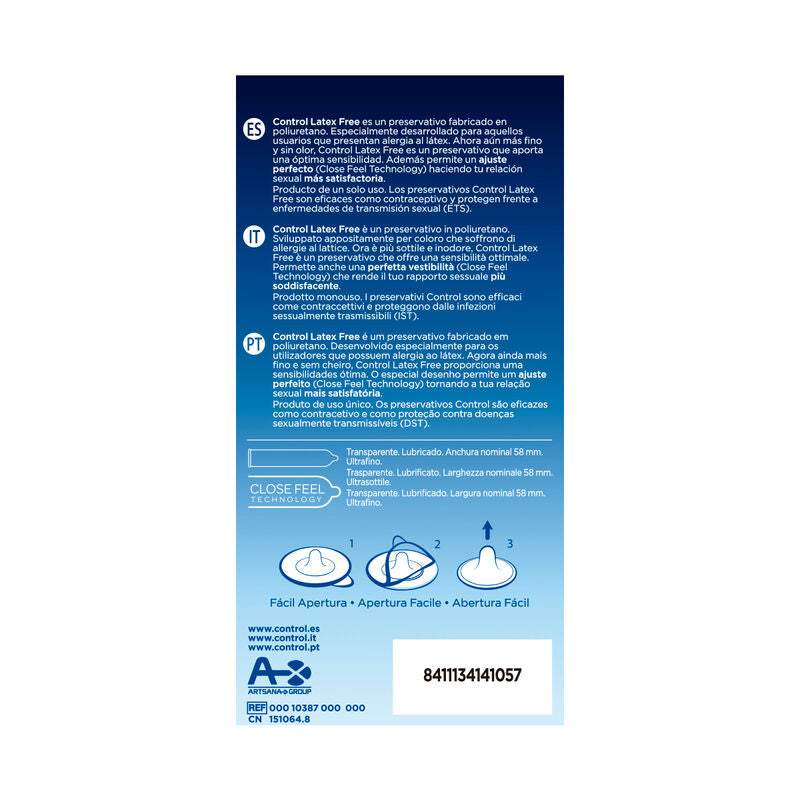
Control Free Latex-Free Condoms 5 Units - Control
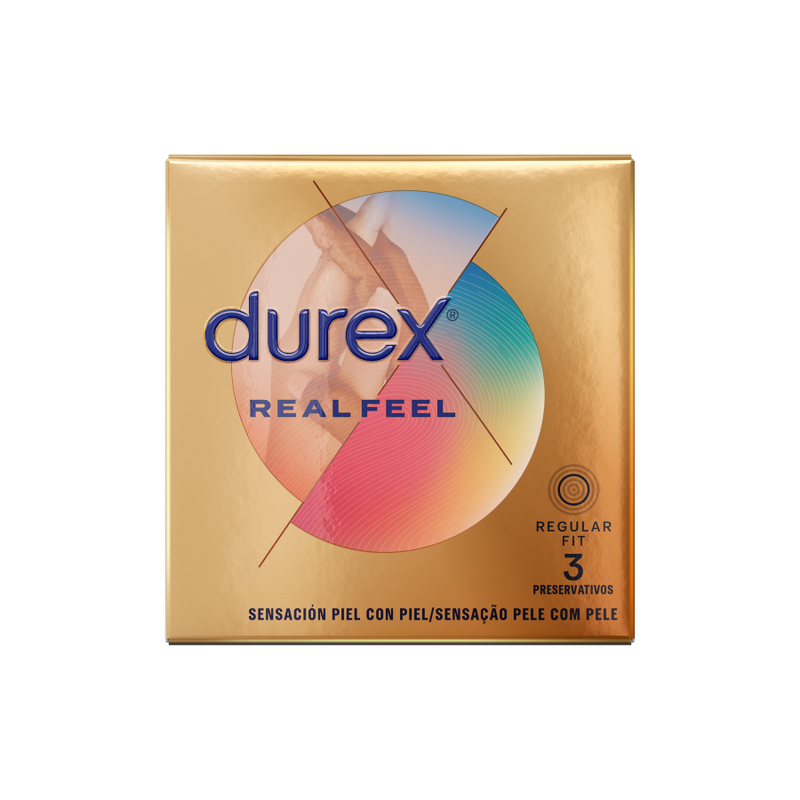
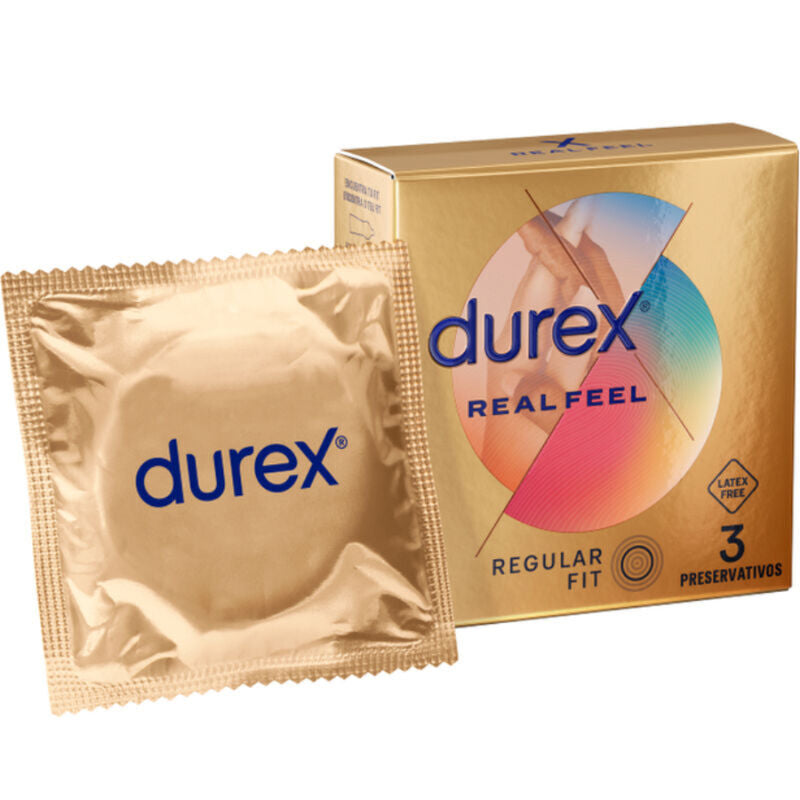
Durex RealFeel non-latex condoms, skin-on-skin sensation, pack of 3
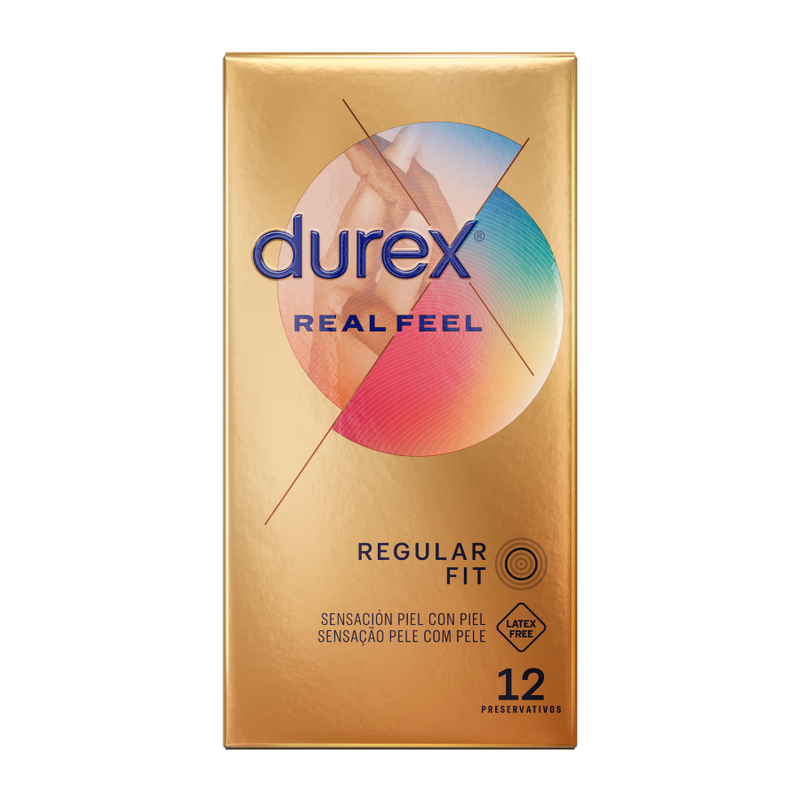
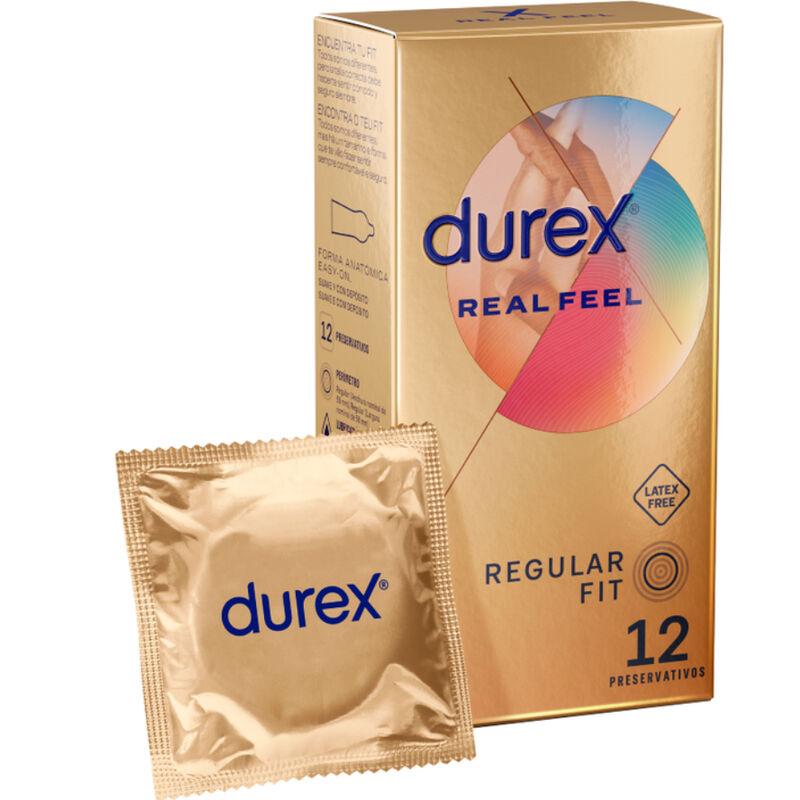
Real Feel non-latex condoms, box of 12 - Durex
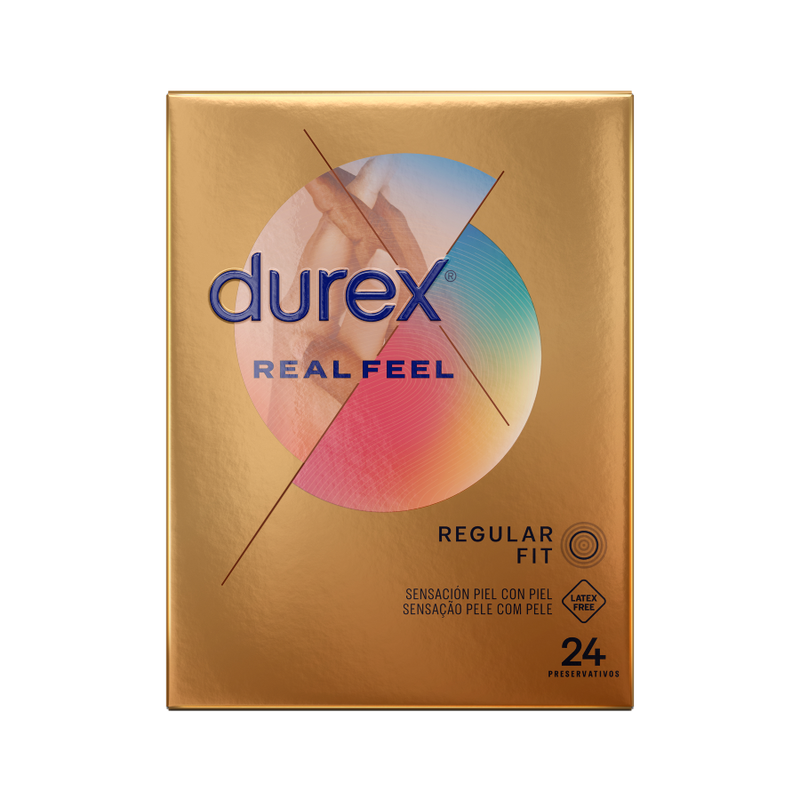
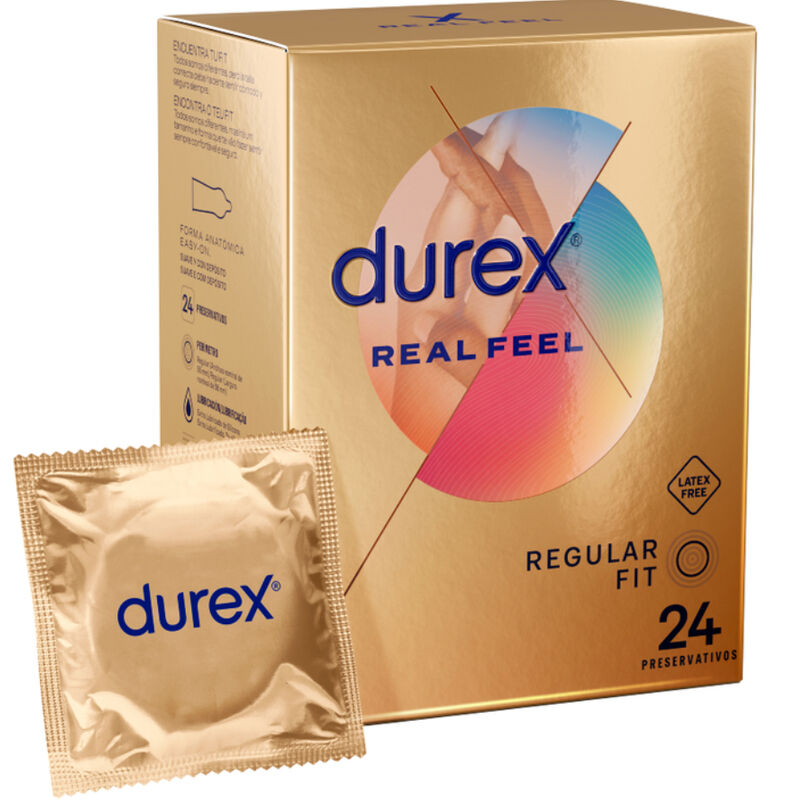
Durex Real Feel Non-Latex Condoms 24 Pack
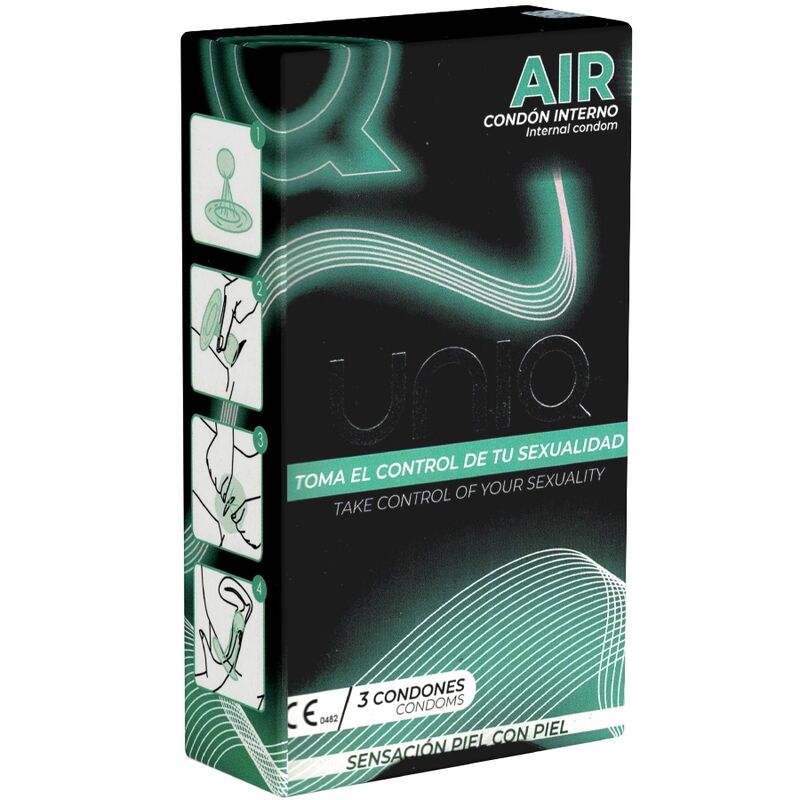

Uniq Air non-latex female condom transparent - Uniq

Uniq latex-free oral condoms - 3 units - Uniq
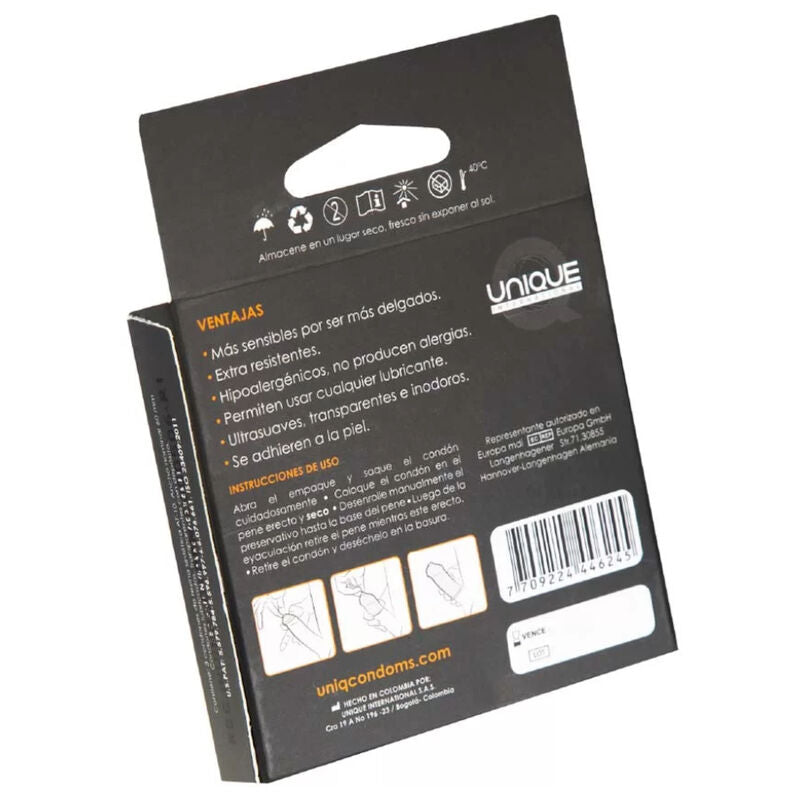

Uniq Classic non-latex condoms 3 units - Uniq
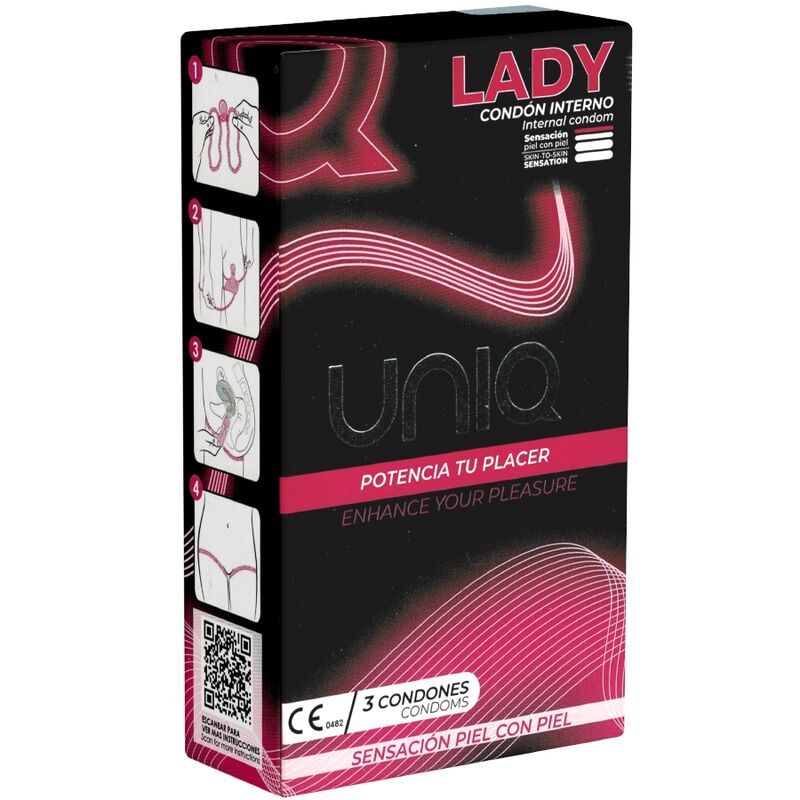

Uniq Lady latex-free female condom with lace - Uniq
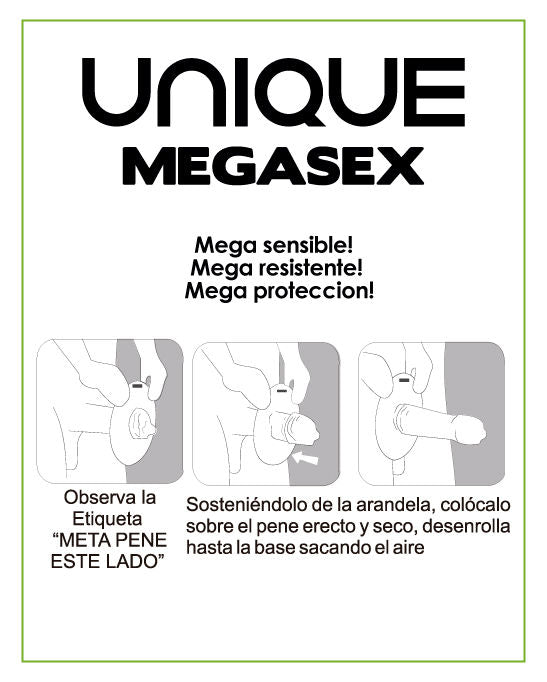
Megasex latex-free sensitive condoms x3 - Uniq
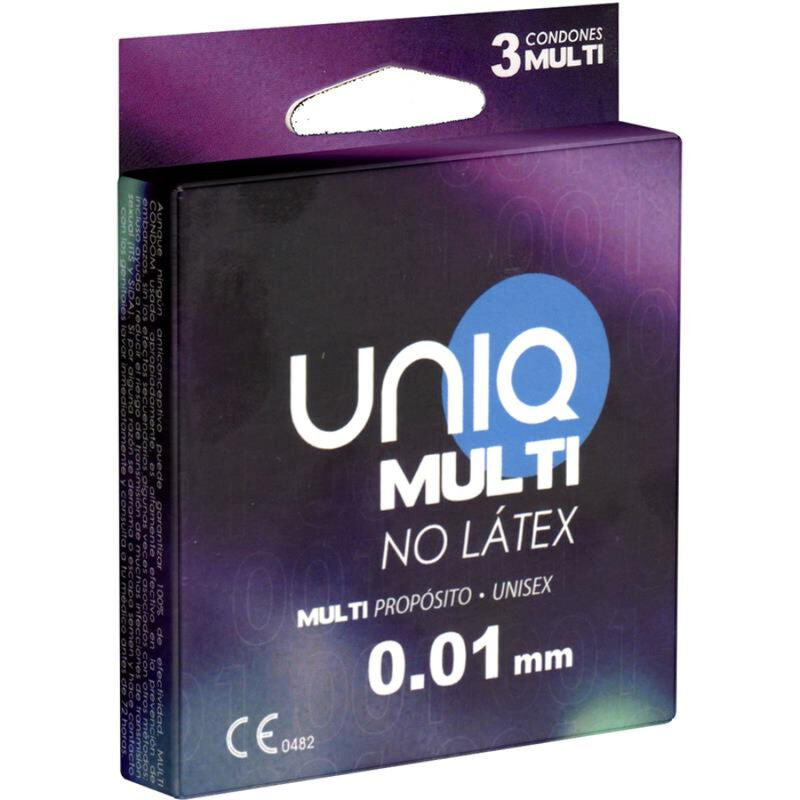
Uniq Multi ultra-thin latex-free condoms x3 - Uniq
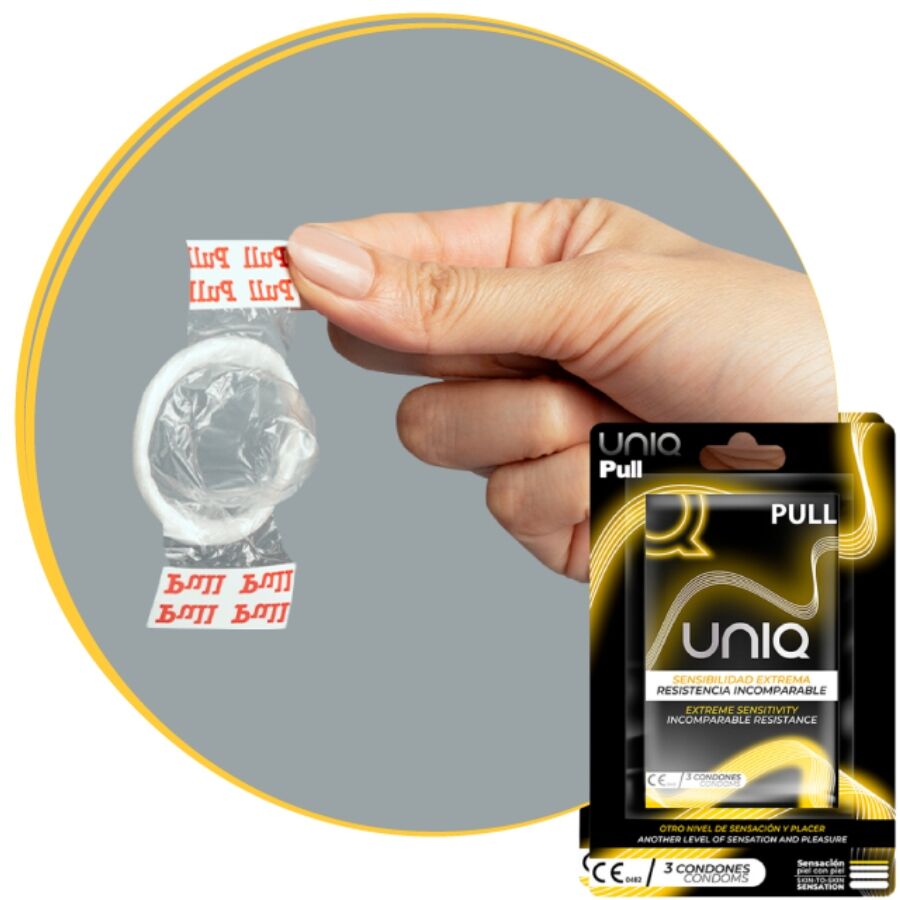
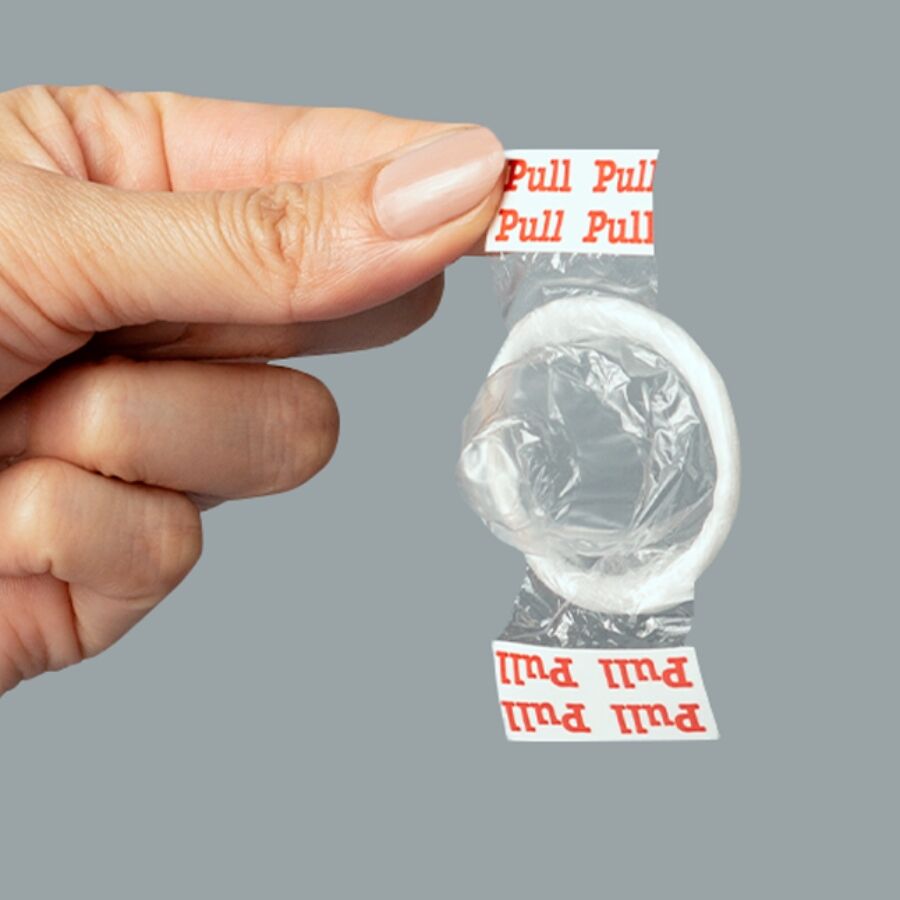
Uniq Pull Ribbed Latex-Free Condoms x3 - Uniq
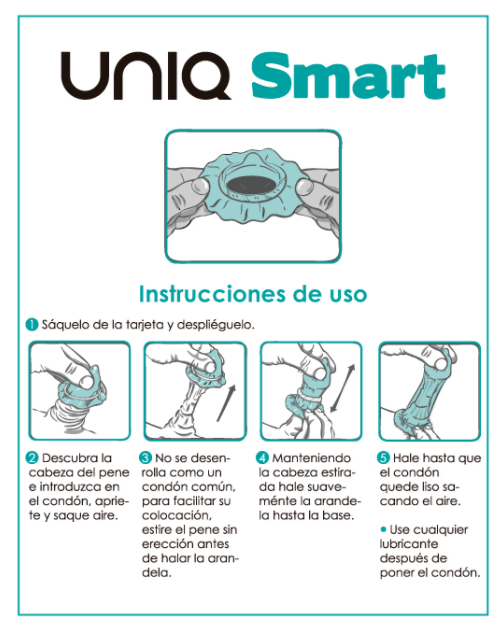
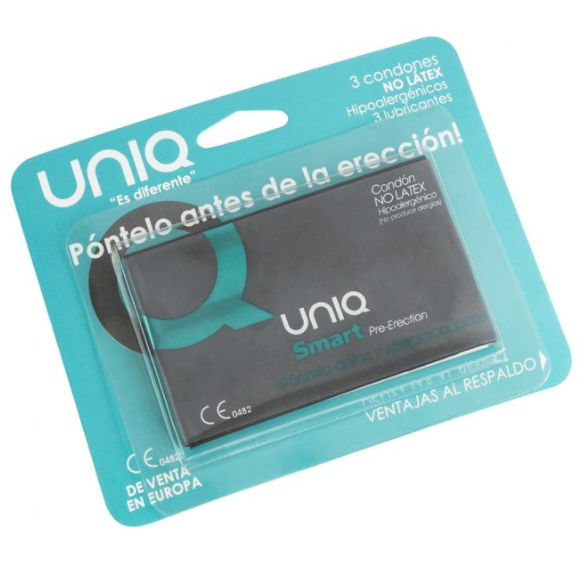
Uniq Smart non-latex condoms for use before erection x3 - Uniq
Allergy, discomfort, or simple preference: there are now several alternative materials to latex for effective protection. Here is everything you need to know before choosing.
Non-latex condoms: how do they work?
Natural latex causes allergic reactions in about 1 to 6% of the general population, and up to 17% in certain healthcare professionals. Non-latex condoms replace this material with polyurethane or synthetic polyisoprene. Polyurethane is thinner and more heat-resistant, making it compatible with oil-based lubricants, unlike traditional latex. Polyisoprene offers elasticity similar to latex while eliminating the allergenic proteins responsible for irritation.
These two materials are CE-approved as Class II medical devices, guaranteeing contraceptive efficacy and STI protection comparable to traditional condoms. They are often better conductors of body heat, which can enhance sensation. To complete your protection, remember to pair them with a lubricant suitable for the chosen material.
The different types of non-latex condoms
- Polyurethane male condom: ultra-thin, compatible with oil and water, ideal if you are looking for sensations close to natural and optimal heat transmission.
- Polyisoprene male condom: more elastic, contours better to anatomical shapes, recommended if you want the flexibility of latex without its allergenic proteins.
- Female (internal) condom: placed inside the vagina or anus before intercourse, it offers extra protection and leaves control to the person wearing it, such as the Uniq Air or lace-trimmed Uniq Lady models.
- Pre-erection condom: an innovative format (like Uniq Smart) that is put on before a full erection, practical for those who find the traditional application uncomfortable.
How to choose the right non-latex condom
- Identify your allergy or sensitivity: if the reaction is related to natural latex proteins, polyisoprene is suitable; if it is related to any form of rubber, prefer polyurethane.
- Check compatibility with your lubricant: polyurethane tolerates oil-based lubricants, while polyisoprene is reserved for water-based lubricants.
- Choose the right size for your anatomy: some models offer holding rings (Uniq Free) or application strips (Uniq Pull) to facilitate installation and prevent slipping.
- Consider the usage profile: for anal intercourse, the internal female condom or a reinforced model will be more suitable; for standard vaginal use, a thin sensitive model will suffice.
- Check the expiration date and CE marking: a properly stored non-latex condom (kept away from heat and friction) remains effective for up to 5 years after manufacture; always check the packaging before use.