




























































Anorgasmia: what really happens and how to change it
It's hard to talk about, even harder to admit — and yet, up to 40% of people with a vulva say they rarely or never reach orgasm in their lives. This is not an anomaly, it is not a fatality, and above all, it is not a matter of willpower. Anorgasmia simply refers to the persistent difficulty in reaching orgasm, despite sufficient stimulation. It can be primary (never having had an orgasm), secondary (losing it at some point in life), situational (only with a partner, not solo), or generalized. The causes are numerous: chronic stress, medications, lack of knowledge about one's own body, performance pressure, past trauma. In other words, your body is not broken — it’s just waiting for you to ask it the right questions, in the right place.
Why understanding anorgasmia really changes things
Putting a name to what you are experiencing is the first step out of the fog. Understanding the mechanisms behind the absence of orgasm helps to de-dramatize: it is not a personal failure, but often a matter of incomplete exploration or conditions that simply weren't met. In terms of overall health, sexual pleasure plays a real role in stress management, sleep quality, and self-esteem. Finally, in a relationship, talking about it — even awkwardly — opens a conversation that can completely transform the dynamic. We aren't looking for performance. We are looking for connection, starting with yourself.
Concrete tools to explore at your own pace
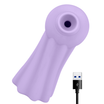
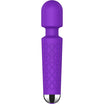
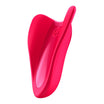
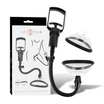
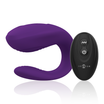
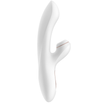
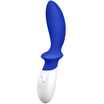
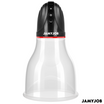
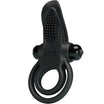
A large portion of the people concerned discover orgasm by learning to better understand their anatomy solo, above all else. This is where certain types of products become true allies. Clitoral suction stimulators, for example, were designed to offer indirect and precise stimulation, particularly adapted to bodies that do not respond easily to conventional penetration. Dual stimulation vibrators can help map multiple areas at once. You will find a complete selection, designed without judgment, at quedulove.store — with clear descriptions to help you choose what is truly right for you.
Frequently asked questions about anorgasmia
Is anorgasmia permanent?
No, in the vast majority of cases. Situational or secondary anorgasmia is often reversible with time, personal exploration, and sometimes sex therapy support. Even primary anorgasmia can evolve. The body learns, readjusts, and what seemed blocked can unlock with the right conditions — no pressure, good stimulation, emotional safety.
Can medications cause anorgasmia?
Yes, it is more common than one might imagine. Certain antidepressants (notably SSRIs), anti-anxiety medications, and hormonal contraceptives can reduce sensitivity or delay orgasm. If you have noticed a change after starting a treatment, this is a serious point to discuss with your doctor — alternatives often exist.
Can you fake it for so long that you end up not knowing what you're really feeling?
That is a real question, and it deserves a real answer. Yes, repeated faking can cut the connection with your own sensations — you perform instead of feeling. Returning to solo exploration, without an orgasm goal, just to listen to what the body is saying, is often the best starting point for reconnecting with authentic pleasure.
Also explore: Vaginismus · Vulvodynia