







































































Asymmetrical desire in a relationship: what if it were normal?
Between 30 and 50% of couples go through a period at some point where one partner desires intimacy significantly more often than the other. This isn't an anomaly, nor is it a verdict on the relationship—it’s just the reality of two bodies and two minds that don't operate at the same rhythm. Libido is influenced by stress, sleep, hormones, age, and the general ups and downs of life. It evolves, fluctuates, disappears, and returns. The problem isn't the gap itself: it's when neither person knows what to do about it. Misunderstandings set in, refusal becomes hurtful, and requests become pressure. And all of this happens without anyone actually being "at fault." In other words, having mismatched libidos is human—it’s not a bug in your relationship, just a feature that can be managed.
Why understanding this dynamic really changes things
Naming what is happening is already enough to relieve a great deal of tension. When both partners understand that the gap in desire is not a personal rejection, communication becomes easier and less emotionally charged. The person with the lower desire feels less guilty, and the person with the higher desire feels less rejected. It sounds simple, but it changes everything in daily life. Next, understanding your own triggers for desire—what turns you on, what turns you off—allows you to co-construct an intimacy that works for both of you. Finally, exploring new types of shared pleasure can rekindle desire in the person whose libido was dormant, not out of obligation, but because curiosity itself is a powerful engine.
Concrete tools to rekindle desire together
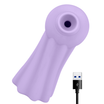
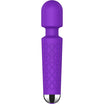
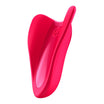
When a gap in desire sets in, sometimes all that is missing is a different starting point. Introducing a new object into your intimacy can shift the pressure from "I have to be in the mood" to "we are exploring something together"—and that is often where desire reappears. Couples' sex toys are designed with exactly this in mind: wearable stimulators to use together, dual-action vibrators, and connected toys that allow you to play remotely or as a duo without one partner being in the position of waiting for the other. It’s not a miracle solution, but it is a neutral playground—and often, shared pleasure without expectations is what reopens the door.
Frequently asked questions about asymmetrical desire
Can a libido gap in a relationship really be fixed?
Yes, in the vast majority of cases. A gap in desire is rarely set in stone. It evolves with the seasons of life, stress levels, and the quality of communication within the couple. Simple adjustments—talking openly, exploring new forms of intimacy, or consulting a sex therapist—are often enough to rebalance the dynamic without forcing anyone.
How can you talk to your partner about asymmetrical desire without hurting them?
Choose a neutral time, not just after a refusal or a tense moment. Talk about yourself rather than the other person: "I want to feel close to you" rather than "you never want to." Phrasing it in terms of connection rather than lack radically changes how the message is received. The goal is to invite, not to convince.
Is "making an effort" even without being in the mood a good idea?
The nuance here is important. Forcing it is never a good path. But "opening yourself up to desire"—without the pressure of a specific result—is different. Some people discover that desire arrives once you start, not before. Others need the context to change first: less fatigue, more playfulness, a different approach. Knowing yourself in this regard is really useful.