











































Non-binary identity and sexuality: living and enjoying freely
About 1 in 5 Gen Z individuals identify outside the strict man/woman categories. Yet, the conversation about desire and pleasure often remains stuck in a binary framework that doesn't fit everyone. Sexuality and gender identity are two distinct things—one is about who you are, the other is about what you're attracted to. You can be non-binary and straight, non-binary and gay, non-binary and anything in between. No rules, no mandatory boxes. What matters is understanding how these two dimensions intersect for you, because it concretely changes how you experience your relationships, your body, and your pleasure. The vocabulary exists, the experiences exist—you just have to name them to feel a little less alone in your own head. Because recognizing yourself in what you experience is already the first form of pleasure.
Why better understanding your identity really changes the experience of pleasure
Putting words to what you feel isn't an abstract intellectual exercise—it's a concrete lever. When you understand that your gender and your sexuality are two independent sliders, you gain freedom to explore what truly suits you, without forcing yourself into a pre-fabricated script. In a relationship, it opens up more honest conversations about desires, boundaries, and ways of exploring each other's bodies—and your own. Regarding health, it also helps you communicate better with a healthcare provider or choose products adapted to your actual anatomy rather than an administrative box. And when it comes time to splurge on a sex toy or an accessory, knowing what speaks to you avoids unpleasant surprises and purchases that end up in a drawer.
Frequently asked questions about non-binary identity and sexuality
What is the difference between gender identity and sexual orientation?
Gender identity describes how you experience and feel your own gender—masculine, feminine, both, neither, or something else entirely. Sexual orientation describes who you are attracted to. The two are independent. A non-binary person can be attracted to any gender, and that says nothing about their identity or the other person's.
How do I talk about my non-binary identity with my partner?
There's no perfect script, but a few basics help. Choose a calm moment, outside of a sexual context. Explain what being non-binary means specifically to you—it can be very different from one person to another. Specify your pronouns if you have them. And above all: leave space for questions, with no obligation to resolve everything in a single conversation.
Are there sex toys designed specifically for non-binary people?
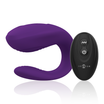
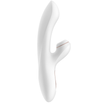
Increasingly, yes. Some brands design products without gendered marketing, centered on actual anatomy rather than boxes. Unisex harnesses, versatile stimulators, or toys designed for all bodily configurations follow this logic. The best toy is the one that fits your body and your pleasure—not the box you were assigned to.