



























































































Low libido: what is really happening and how to take action
About 1 in 3 people go through a period of low desire at some point in their life. Yet, we almost never talk about it—as if it were something to be ashamed of or a major dysfunction. Spoiler: it’s neither. Desire fluctuates. It responds to stress, sleep, hormones, emotional state, the quality of relationships, and a dozen other parameters that your body manages in silence. Low libido is not a verdict. It is a signal. It says something. And that something deserves to be heard without panic or guilt. Understanding what is happening is already half the battle. The other half? We’re here to help you through it.
Your body isn't failing you—it's just trying to talk to you. You just need to know how to listen.
Why understanding your libido really changes things
Knowing the mechanisms behind desire means regaining control—rather than being at its mercy. When you know that cortisol (the stress hormone) is a direct enemy of arousal, you look at your short nights and busy weeks differently. It doesn't fix everything, but it removes the guilt. And guilt is precisely what makes the problem worse.
In a relationship, putting words to fluctuating desire avoids misunderstandings that build up in silence. A partner who understands doesn't interpret disinterest as a personal rejection. That radically changes a couple's dynamic. Finally, exploring what reignites the spark—alone or together—is also an act of self-knowledge. Not an admission of weakness. It’s an active approach.
Products designed to revive curiosity and pleasure
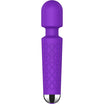
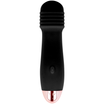
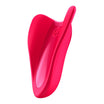
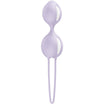
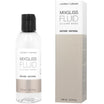
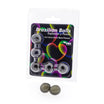
Sometimes, what desire needs is a new entry point. Not a miracle solution—an invitation to reconnect with your body in a different way. Sensual massage oils and massage candles are often a good starting point: they slow things down, they warm things up, they create context where there was none before. Gentle, low-intensity stimulators allow you to reacquaint yourself with sensations without pressure. And for duos, erotic games and desire cards reopen the conversation without needing to "explain everything."
You will find all of this—and much more—on quedulove.store, with filters to explore at your own pace, without judgment.
Frequently asked questions about low libido
Low libido: is it a medical problem?
Not necessarily. A drop in desire can be temporary and linked to stress, fatigue, or a life change. It becomes a medical issue if it is persistent, experienced as genuine distress, or accompanied by other symptoms. In that case, a doctor or sex therapist is the right step—there is no shame in it, it’s their job.
How do you get your groove back when you're in a relationship and the desire has disappeared?
The first thing is to break the silence. Desire doesn't come back on its own when you wait for it without doing anything. Creating something new—a different kind of evening, a game, an honest conversation about what used to be enjoyable—can be enough to jumpstart things. The body often responds better to the unexpected than to a reassuring routine.
Can you have a low libido and still be happy in love?
Absolutely. Sexual desire is not the only pillar of a fulfilling relationship. Some people are naturally at the lower end of the desire spectrum—it’s an orientation, not a flaw. What matters is that both partners are aligned on their needs. And that is much easier to negotiate with words than with guilt.
Also explore: Jealousy of a sex toy · Sexual self-confidence