


































Anal penetration: the gentle guide to getting started
Exploring new sensations is often a matter of confidence—and good information. The anal area contains over 4,000 nerve endings, making it one of the densest erogenous zones of the human body, regardless of gender. Yet, it is also one of the practices most shrouded in ambiguity, myths, and unanswered questions. Before you get started, a few basics make all the difference: understanding the anatomy, choosing the right lubricant, and going at your own pace. It is neither a performance nor a box to check. It is an exploration that is earned... and highly rewarding. At quedulove, we believe that well-informed pleasure is always the best pleasure.
In other words, your body already knows what to do—it just needs you to trust it.
Why proper preparation really changes everything
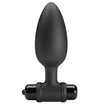
Serious preparation is not about being boring; it is what transforms hesitant curiosity into a truly enjoyable experience. Muscle relaxation is key—the sphincter is an involuntary muscle; it opens when the body feels safe, not when forced. Taking your time, using a suitable lubricant (water-based for silicone toys), and starting with a small accessory, like a beginner anal plug, allows the body to gradually get used to the sensation. For couples, this exploration also builds true intimacy: it requires communication, listening, and mutual trust—three ingredients that strengthen any relationship. And as for pure pleasure, stimulating the P-spot in individuals with a prostate or deep zones in others can unlock new, intense, and long-lasting sensations.
Frequently asked questions
How can I start anal penetration without pain?
Pain is a signal that your body isn't ready—it is never a normal part of the process. Start with external stimulation, use plenty of lubricant, and choose an accessory designed for beginners. Slow, deep breathing helps the sphincter relax naturally. If it hurts, stop and try again another day. You are the one who sets the pace, always.
Which lubricant should I use for anal penetration?
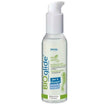
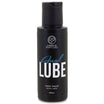
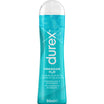
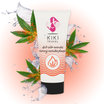
Lubricant is non-negotiable: the anal area does not produce natural lubrication. Choose a water-based lubricant if you are using silicone toys—it won't damage the materials and is easy to clean. Silicone-based lubricants last longer but are incompatible with silicone toys. Avoid any products containing anesthetics: they mask pain, which is a useful protective signal.
Can an anal plug get stuck?
This is the question everyone is thinking but not asking. An anal plug designed for this purpose has a flared base or a safety ring that prevents any migration. This is exactly why you should never repurpose everyday household objects. The toys in the quedulove anal plug collection are all designed with this base—because fun is great, but safety comes first.
Also explore: Female masturbation · Solo pleasure