









































Sex toys and disability: pleasure has no conditions
Approximately 12 million people live with a disability in France. Yet, when we talk about sexuality and pleasure, they are almost absent from the conversation. As if desire stopped at the door of a diagnosis, reduced mobility, or chronic pain. Spoiler: it doesn't. Sexuality is part of overall well-being—this is recognized by the WHO, and it admits no exceptions. What the general public often ignores is that there are now toys designed for different grip needs, limited positioning, or increased or decreased sensitivity. Pleasure itself is very good at adapting—sometimes it was just the tool that was missing. Your body deserves to be asked the right questions, not given the right excuses.
Why talk about pleasure when living with a disability?
Because desire doesn't take sick leave. Whether you live with reduced mobility, chronic pain, a sensory disorder, or persistent fatigue, your right to pleasure remains intact—and exploring what works for your body can have a real impact on your mental health and quality of life. Studies show that sexual satisfaction improves sleep, reduces anxiety, and boosts self-esteem. For couples, it also opens up a precious space for intimacy, far from the pressures of performance. And for those living alone, it is a concrete way to reconnect with oneself, without an intermediary.
Products designed for you, not for a norm
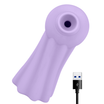
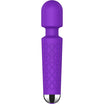
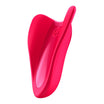
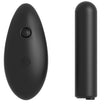
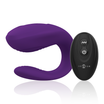
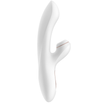
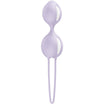
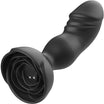
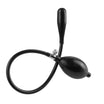
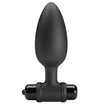
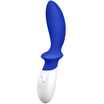
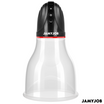
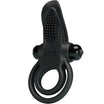
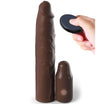
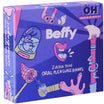
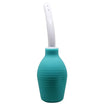
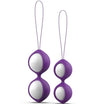
If you are looking for a concrete starting point, know that certain types of products make a real difference depending on the situation. Long-handled vibrators are perfect when arm or wrist flexibility is limited. Air-pulse stimulators work with very little pressure and are suitable for people who have altered sensitivity. Toys with a remote or app allow you to delegate control—ideal for couples or when fine motor skills are limited. Ergonomic rings and weighted toys are easy to grasp without effort. You can explore the entire collection at quedulove.store, without judgment, with clear descriptions to help you choose what truly suits you.
Frequently asked questions
Which sex toys are suitable for people with reduced mobility?
Products with a long fixed handle, a remote control, or a Bluetooth app are often the most accessible. They make it easy to reach pleasure zones without twisting or significant muscular effort. Large, ergonomic shapes also make it easier to grip for people with limited fine motor skills.
Does a disability affect sexual sensitivity?
That depends entirely on the type of disability. Certain neurological conditions alter sensitivity—sometimes increasing it, sometimes reducing it. In any case, toys with varied frequencies allow you to explore and find what works for you. The idea is to test without setting expectations for a specific result.
Can you give a sex toy to someone with a disability without being awkward?
Yes—provided the relationship and trust allow for it, just as with anyone else. Discreet packaging and neutral delivery do the rest. If you are unsure about the choice, a good versatile stimulator or a vibrator with adjustable speeds is a safe bet that leaves the other person the freedom to explore at their own pace.