




















































































Shibari: the art of the bond that changes everything
Born in Japan several centuries ago, this art of rope binding has traversed the ages to become one of the most sought-after BDSM practices today. The word literally means "to tie" in Japanese — but behind this simple verb lies a practice that is at once sensory, aesthetic, and deeply intimate. Contrary to what is often imagined, it is not just about immobilizing someone: each knot tells a story, each tension is intentional. A study on kink practices showed that more than 60% of people who try it describe an unexpected emotional intensity, far beyond the physical. The body becomes both canvas and subject. And that is something no YouTube tutorial truly tells you.
In other words, ropes do not enclose — they open something up.
Why you should really be interested
The first good reason is what practitioners call "rope space": a state of deep letting-go, similar to meditation, experienced by the person being tied. The total concentration required from the person tying creates a mirror effect — a presence with the other that is rare in daily life. It is care, not control. A second, often underestimated benefit is the communication it requires. You don't begin a session without having discussed limits, sensations, and the safe word. Many couples report that this practice has transformed the way they communicate outside the bedroom as well. Finally, for those looking to explore BDSM gradually, it is a gentle entry point: you control your intensity level, you move at your own pace, and the equipment to get started remains accessible. Discover our BDSM selection to start with peace of mind.
The questions we really ask ourselves
How to start shibari without getting hurt?
The golden rule: never compress sensitive nerve areas, particularly the inside of the arms and the wrists. Start with simple ties around the torso or ankles. Use a soft cotton or jute rope, and always keep scissors within reach. Learning in a workshop or with a reliable visual guide truly reduces the risks. Safety is what makes the practice sustainable.
Which rope to choose for a first time?
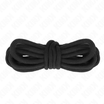
Cotton rope is ideal for beginners: soft on the skin, easy to tie and untie, and it is forgiving of beginner mistakes. Jute is more traditional and more aesthetic, but requires preparation. Avoid nylon at first — it slips too much and burns easily. A length of 8 meters per rope is a good starting point to explore the basics.
Can you do shibari alone?
Yes, it exists and it's called self-bondage. It is a meditative practice in its own right. Obviously, safety precautions are even more important: never tie yourself in a way that you cannot free yourself, and never do anything around the neck. Some people find it to be a very powerful space for refocusing on oneself. Alone or as a pair, the principle remains the same: comfort first.
Also explore: Female masturbation · Solo pleasure